
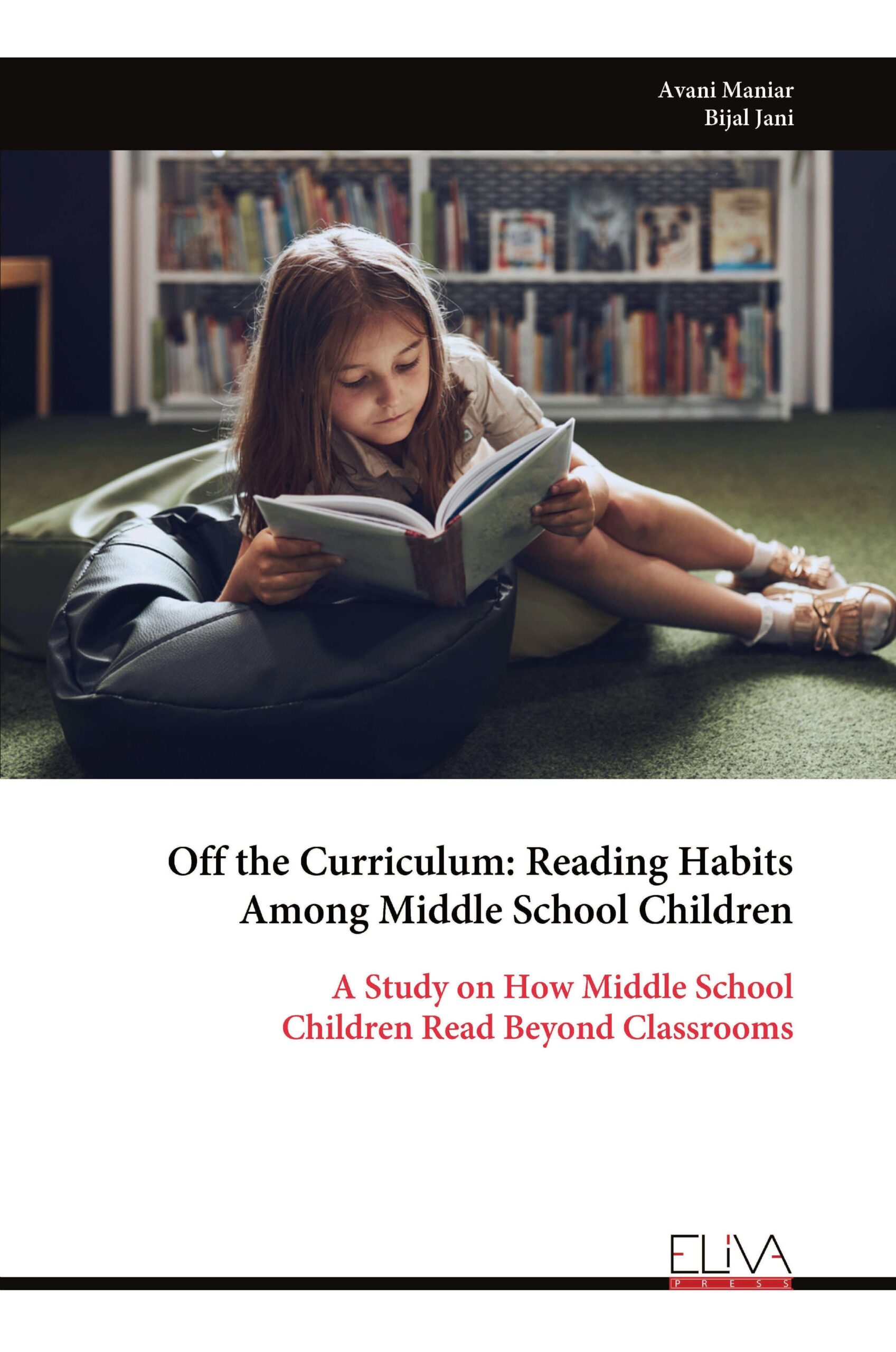
Reading is an essential skill that helps students learn, think critically, communicate clearly, and explore new ideas. However, developing a regular reading routine can become challenging during middle school. Students in grades 6–8 often have heavier workloads, changing interests, more screen time, and growing social commitments. As a result, reading for pleasure may become less of a priority.
Building reading habits for middle school students requires more than assigning books or asking students to read for a certain number of minutes. Students are more likely to become consistent readers when they have access to interesting materials, feel confident in their abilities, and understand how reading connects to their lives.
Teachers, parents, and school leaders can work together to make reading an enjoyable and manageable part of everyday life. With appropriate book choices, realistic goals, supportive routines, and engaging activities, students can develop reading habits that support academic success and lifelong learning.
Why Reading Habits Matter in Middle School
Middle school is an important period for strengthening literacy skills. Students encounter increasingly complex textbooks, unfamiliar vocabulary, longer passages, and more demanding assignments across subjects. They need to understand not only what a text says but also how its ideas connect, what evidence supports its claims, and why the information matters.
Regular reading gives students opportunities to practise these skills in different contexts.
1. Reading strengthens vocabulary and language skills
Books, articles, biographies, and other texts expose students to words and expressions they may not hear in everyday conversations. Seeing words used in context can help students understand their meanings and recognize how language works.
Teachers can strengthen this process by discussing unfamiliar words, encouraging students to use context clues, and connecting new vocabulary to topics they already know.
2. Reading improves comprehension and critical thinking
Reading involves more than recognizing words. Students must identify main ideas, make inferences, compare information, and evaluate what they have read.
For example, after reading a short article about renewable energy, a student might identify the author’s main argument, explain which facts support it, and compare the information with another source. These habits support learning in science, social studies, language arts, and other subjects.
3. Reading encourages curiosity and independent learning
Students who develop a regular reading routine have more opportunities to explore subjects beyond the classroom curriculum. A student interested in space may read about planets, while another who enjoys sports may explore athlete biographies or the science of physical performance.
Giving students opportunities to read about their interests can help them see reading as a way to answer questions and discover new ideas.
4. Reading can support confidence and independence
Students who regularly practise with suitable texts may become more comfortable tackling unfamiliar material. They can learn to select books, monitor their understanding, and decide when they need help.
However, independent reading alone is not enough for every student. Those who struggle with decoding, fluency, or comprehension may also need explicit instruction and targeted support. The U.S. Institute of Education Sciences provides evidence-based recommendations for supporting adolescent literacy and students who experience reading difficulties.
12 Effective Ways to Build Reading Habits for Middle School Students
Developing a consistent reading routine is easier when students have choices, clear expectations, and regular opportunities to practise. The following strategies can be adapted for classrooms, libraries, and homes.
1. Let Students Choose What They Read
One of the most practical ways to encourage reading is to give students meaningful choices. Not every student enjoys the same genre, subject, or format. Some prefer mysteries, fantasy, or adventure stories, while others are more interested in sports, animals, technology, history, or real-world problems.
Teachers and parents can offer a range of age-appropriate materials, including:
- Fiction and short stories
- Graphic novels and illustrated books
- Biographies and memoirs
- Science and history articles
- Sports writing and hobby guides
- Poetry and plays
- Magazines and other informational texts
Choice does not mean that students should never encounter challenging texts. Instead, it helps them build interest and confidence while gradually broadening their reading experiences.
Classroom example: Create a book display featuring several themes, such as mysteries, inventions, animals, and real-life achievements. Ask students to choose one title to sample before deciding what they want to read.
2. Establish a Short Daily Reading Routine
A regular, manageable routine is often more sustainable than an ambitious target that students struggle to meet. Teachers can introduce a brief independent reading period during the school day, while families can establish a quiet reading time at home.
Start with a realistic amount of time, such as 10–15 minutes, and adjust it according to students’ ages, needs, schedules, and reading stamina. The goal is to make reading a predictable activity rather than an occasional assignment.
A simple routine could include:
- Choose a book or article before reading time begins.
- Put away unnecessary distractions.
- Read quietly for the agreed period.
- Write down one interesting idea, question, or new word.
- Record progress in a reading log if helpful.
The routine should feel achievable. As students become more comfortable, they can gradually increase the time they spend reading.
3. Create an Inviting Reading Environment
Students are more likely to read when suitable materials are easy to find and the environment feels welcoming. A reading area does not need expensive furniture or a large collection of books. Even a small, organized space can make a difference.
Schools can create classroom reading corners with comfortable seating, clear book labels, student recommendations, and rotating displays. Libraries can organize books by theme as well as genre, helping students discover materials that match their interests.
At home, parents can keep books in accessible places, such as a bedroom shelf, study area, or family reading basket.
The most important principle is accessibility: students should be able to find something appropriate to read without facing unnecessary barriers.
4. Connect Reading to Students’ Interests
Reading becomes more meaningful when students see how it relates to their everyday lives. A student who enjoys football might read a biography of a player, while someone fascinated by computers could explore an article about artificial intelligence or game design.
Teachers can ask students questions such as:
- What topic could you talk about for a long time?
- What would you like to learn how to do?
- Which fictional characters or real people interest you?
- What question have you always wanted to answer?
Use their responses to suggest reading materials.
Interest-based reading can also connect with classroom learning. During a science unit, students might select articles about climate, wildlife, space, or the human body. This approach builds knowledge while allowing students to explore topics they find engaging.
5. Introduce a Personal Reading Goal
A clear goal gives students a reason to practise and a way to notice their progress. However, reading goals should focus on consistent effort and comprehension rather than competition.
Examples of realistic goals include:
- Read for 10 minutes on four school days each week.
- Finish one short story every two weeks.
- Try two different genres this month.
- Learn and explain five useful words from a book.
- Read one article about a personal interest each week.
Students can record their goals in a notebook or reading tracker. At the end of each week, they can reflect on what worked, what was difficult, and whether their goal needs adjustment.
Avoid comparing students publicly by the number of pages or books completed. Reading speed and text difficulty vary, and students should be encouraged to measure their progress against their own starting point.
6. Make Reading Social Through Book Discussions
Reading does not have to be a solitary activity. Talking about books can help students clarify their thinking, learn from classmates, and discover new titles.
Teachers can arrange small book clubs in which students read the same text or choose different books around a shared theme. After reading, they can discuss characters, important ideas, surprising details, or questions the text raises.
Useful discussion prompts include:
- Which part of the text interested you most, and why?
- What do you think the author wants readers to understand?
- Did anything surprise you?
- What evidence supports your interpretation?
- Who might enjoy this book?
Students can also create short book recommendations, record audio reviews, or design posters for books they want others to read.
The purpose is to make reading a shared experience, not to turn every discussion into a formal test.
7. Use Digital Reading Resources Thoughtfully
Digital devices can offer access to e-books, audiobooks, online magazines, educational articles, and reference materials. For students who have limited access to print books, approved digital resources may expand their options.
However, digital reading can also introduce distractions. Notifications, games, and unrelated websites may interrupt concentration.
To make digital reading more productive:
- Select age-appropriate and reliable resources.
- Use school-approved platforms when possible.
- Turn off unnecessary notifications during reading time.
- Encourage students to check the author, source, and publication context of online information.
- Discuss the difference between reading a complete article and quickly scrolling through short posts.
Printed books and digital formats can both play a role. The best format is one that helps the student read regularly, understand the material, and stay engaged.
8. Let Students See Adults Reading
Teachers and parents can demonstrate that reading is a normal part of everyday life. When adults read books, articles, recipes, manuals, or other useful material, students see reading as a practical activity rather than only a school requirement.
Teachers can briefly share what they are reading and explain why they chose it. Parents can set aside a few minutes for family reading, during which everyone reads their own material.
Adults should avoid presenting reading as a punishment or using it only as a consequence for poor behaviour. A positive example helps students associate reading with learning, enjoyment, and personal choice.
9. Teach Students How to Choose an Appropriate Book
Some students avoid reading because they repeatedly select material that is too difficult, too easy, or simply uninteresting. Teaching them how to evaluate a book can help them make better choices.
Encourage students to:
- Read the title and examine the cover or summary.
- Browse a page or short section.
- Notice whether they understand most of the language.
- Decide whether the subject interests them.
- Ask for recommendations if they are unsure.
A useful book should offer an appropriate level of challenge without causing persistent frustration. Students can read different types of material at different difficulty levels; they do not need every book to serve the same purpose.
If a student struggles with nearly all grade-level texts, teachers should investigate the underlying difficulty and provide appropriate support rather than simply assigning easier books indefinitely.
10. Build Vocabulary and Comprehension During Reading
A strong reading habit includes understanding the text, not just completing pages. Students benefit from learning strategies they can use when they encounter difficult language or confusing ideas.
Teach students to pause and ask:
- What is the main idea?
- What do I already know about this topic?
- Can I use the surrounding sentences to understand this word?
- What evidence supports the author’s point?
- Do I need to reread this section?
A simple strategy is to ask students to summarize a paragraph in one sentence. Another is to record an unfamiliar word, infer its meaning from context, and check the definition afterward.
The Institute of Education Sciences recommends explicit vocabulary instruction and direct comprehension-strategy instruction as important components of adolescent literacy support. See the IES practice guide on adolescent literacy.
11. Celebrate Progress Without Creating Pressure
Recognition can help students notice the effort they put into reading. However, rewards should not become the only reason they read.
Teachers can celebrate progress by inviting students to share a favourite quotation, recommend a book, describe a new interest, or reflect on how their reading confidence has changed. Families can acknowledge a student who has maintained a routine or completed a challenging book.
Avoid making every reward depend on reading the most pages or finishing the greatest number of books. These systems can disadvantage students who read more slowly or require additional support.
Focus on consistency, curiosity, thoughtful discussion, and personal growth.
12. Provide Extra Support for Students Who Struggle
Not all middle school students begin with the same reading skills. Some may read slowly, misread complex words, have limited vocabulary, or find it difficult to explain what a passage means.
These students may need more than encouragement and independent reading time. Teachers should identify the specific difficulty and provide instruction that matches the student’s needs.
Support may include:
- Explicit instruction in decoding unfamiliar multisyllabic words
- Guided practice with reading fluency
- Vocabulary teaching before and during a text
- Teacher modelling of comprehension strategies
- Short, appropriately challenging reading passages
- Small-group or individualized intervention
- Progress monitoring and collaboration with literacy specialists
The IES Providing Reading Interventions for Students in Grades 4–9 practice guide describes evidence-based approaches to developing word-reading skills, fluency, and comprehension. These approaches can be especially relevant for students in grades 6–8 who need additional help.
How Teachers Can Build a Reading Culture at School
Individual reading routines are helpful, but a supportive school culture makes them easier to maintain. Schools can communicate that reading belongs in every subject and that students with different interests and skill levels are welcome as readers.
Set aside regular independent reading time
Schools can schedule short, predictable reading periods during which students choose suitable material. Consistency helps reading become part of the school day rather than an activity that happens only when other work is finished.
Include reading across subject areas
Reading is not limited to English or language arts. Science students can read explanations of natural processes, history students can explore primary and secondary sources, and mathematics students can interpret word problems and explanations.
Teachers should help students understand the language and structure of texts in their own subjects.
Invite students to recommend books
Student recommendations can make the school collection more relevant to different interests. A rotating display, recommendation board, or short book-review session allows students to share discoveries with their peers.
Make the library welcoming and accessible
A well-organized library can support independent choice. Where physical collections are limited, schools can consider shared book boxes, reading exchanges, approved digital resources, or partnerships with local libraries.
Coordinate support for struggling readers
Teachers, librarians, reading specialists, and families can share relevant observations about students’ reading interests and difficulties. The aim is to provide consistent support while respecting students’ privacy and confidence.
How Parents Can Encourage Reading at Home
Parents do not need to be reading specialists to support a middle school student’s reading habits. Small, consistent actions can help create an environment in which reading feels achievable.
Make books accessible. Keep a selection of age-appropriate books, magazines, or printed articles where the student can easily find them.
Ask about interests before choosing books. A recommendation is more likely to be useful when it reflects the student’s preferences.
Set a realistic routine together. Agree on a manageable reading time that fits homework, rest, hobbies, and family responsibilities.
Talk about what the student reads. Ask open-ended questions and listen to their opinions rather than turning every conversation into a quiz.
Respect reading preferences. A student may enjoy graphic novels, sports biographies, fantasy, or nonfiction. These can all provide meaningful reading experiences when the material is appropriate.
Stay in contact with teachers when difficulties persist. If a student consistently avoids reading, struggles to understand grade-level material, or becomes unusually frustrated, discuss the concern with the school. The student may need a different text, additional instruction, or a more formal assessment.
A Simple Four-Week Plan to Develop Reading Habits
Teachers and families can use this four-week plan as a starting point. Adjust the activities to suit the student’s needs, interests, and schedule.
| Week | Main focus | Suggested activities |
|---|---|---|
| Week 1 | Discover interests | Explore several books or articles and select one or two appealing options. |
| Week 2 | Build consistency | Schedule 10–15 minutes of reading on agreed days and record brief reflections. |
| Week 3 | Improve engagement | Share a recommendation, discuss a favourite section, or connect the text to a personal interest. |
| Week 4 | Reflect and adjust | Review what was enjoyable or difficult, then set a realistic goal for the next month. |
At the end of the month, ask the student what helped them read more consistently. The routine should be adjusted based on the student’s experience rather than treated as a rigid programme.
Reading Activities for Middle School Students
Short, purposeful activities can help students practise reading without making every session feel like an assignment.
The Five-Sentence Book Review
After finishing a book or article, students write five sentences:
- What is the text about?
- What is one important idea?
- Which part was most interesting?
- What question does the text raise?
- Who might enjoy reading it?
This activity encourages summarizing, evaluation, and recommendation.
The New-Word Journal
Students record a few unfamiliar words from their reading. For each word, they write the sentence in which it appeared, their best guess at its meaning, the confirmed definition, and a new sentence using the word.
This makes vocabulary learning an active part of reading.
The Reading-to-Life Connection
Ask students to identify a connection between the text and something they have learned, experienced, observed, or wondered about. A historical account might connect to a social studies lesson, while a science article might explain a question from everyday life.
The Question Collector
As students read, they write down questions that occur to them. Afterward, they select one question to answer using the text or another reliable source.
This activity promotes curiosity and helps students recognize reading as a way to investigate ideas.
The Genre Explorer
Invite students to try different types of texts over several weeks. They might sample a mystery, a biography, a poem, a graphic novel, and an informational article, then reflect on which formats they enjoyed and why.
The purpose is exploration, not forcing every student to enjoy every genre.
Common Mistakes to Avoid When Building Reading Habits
Even well-intentioned approaches can make students less interested in reading. Teachers and parents should watch for these common problems.
Making reading feel like punishment
If reading is used mainly as a consequence or an additional burden, students may associate it with negative experiences. Present it as a valuable activity with opportunities for curiosity and choice.
Requiring the same book for every student
A shared class text can support valuable discussion, but independent reading should also allow students to explore different interests and appropriate reading levels.
Focusing only on the number of pages
Page counts do not show whether students understood or enjoyed a text. Encourage students to discuss ideas, ask questions, and reflect on their progress.
Choosing material that is consistently too difficult
Repeated frustration can discourage students. Offer appropriate support and gradually increase the challenge as skills develop.
Assuming reluctant readers are simply unmotivated
Avoidance can result from skill difficulties, limited access to suitable material, language barriers, vision concerns, or other factors. Ask what makes reading difficult and work with school staff to identify appropriate next steps.
Expecting instant results
Reading habits take time to develop. A student may need to try several books or routines before finding a good fit. Consistent, low-pressure practice is more useful than demanding dramatic changes immediately.
Frequently Asked Questions
1. How can teachers encourage reading habits in middle school students?
Teachers can provide interesting book choices, schedule regular independent reading, create welcoming classroom reading spaces, organize book discussions, and model positive reading behaviour. Students who struggle with literacy may also need explicit instruction and targeted support.
2. How much should a middle school student read each day?
There is no single daily target that works for every student. A short, manageable routine—such as 10–15 minutes on school days—can be a practical starting point. Reading time can increase gradually according to the student’s needs, stamina, schedule, and goals.
3. What types of books are suitable for middle school students?
Suitable choices may include age-appropriate fiction, mysteries, fantasy, graphic novels, biographies, poetry, science books, history articles, and other nonfiction. The best choice depends on the student’s interests, reading skills, maturity, and the material’s content.
4. How can parents motivate reluctant readers?
Parents can ask about the student’s interests, offer choices, keep reading materials accessible, establish a realistic routine, and discuss books without turning every conversation into a test. If reading remains unusually difficult or stressful, families should talk with the student’s teacher about possible support.
5. Are audiobooks useful for middle school students?
Yes. Audiobooks can help students access stories and information, explore new genres, and engage with texts that might be difficult to read independently. They can complement print reading, although students who need to develop decoding or fluency skills may still require direct instruction and opportunities to practise reading text themselves.
6. How can schools measure progress in reading habits?
Schools can consider whether students read more consistently, explore a wider range of materials, participate in discussions, and become more confident selecting texts. Teachers should also assess reading skills and comprehension when appropriate. Reading frequency alone does not establish whether a student’s literacy skills have improved.
7. What should teachers do when a student reads below grade level?
Teachers should identify the student’s specific needs rather than relying on motivation strategies alone. Depending on the assessment, support may include explicit instruction in decoding, fluency practice, vocabulary development, comprehension strategies, and individualized intervention.
8. How can technology support reading habits?
E-books, audiobooks, and reliable online articles can make reading more accessible and varied. Teachers and parents should select appropriate resources, reduce digital distractions, and help students evaluate online information critically.
Conclusion
Building reading habits for middle school students starts with making reading accessible, relevant, and manageable. Students are more likely to read regularly when they can explore their interests, choose appropriate materials, follow realistic routines, and share their ideas in a supportive environment.
Teachers can establish consistent classroom reading opportunities, connect reading to different subjects, and provide additional instruction for students who experience difficulties. Parents can reinforce these efforts by making books available, showing an interest in what students read, and encouraging progress without unnecessary pressure.
The goal is not simply to get students to finish more books. It is to help them become confident readers who can understand information, ask thoughtful questions, and continue learning independently. With patience and consistent support, middle school students can develop reading routines that benefit them throughout their education and beyond.
