
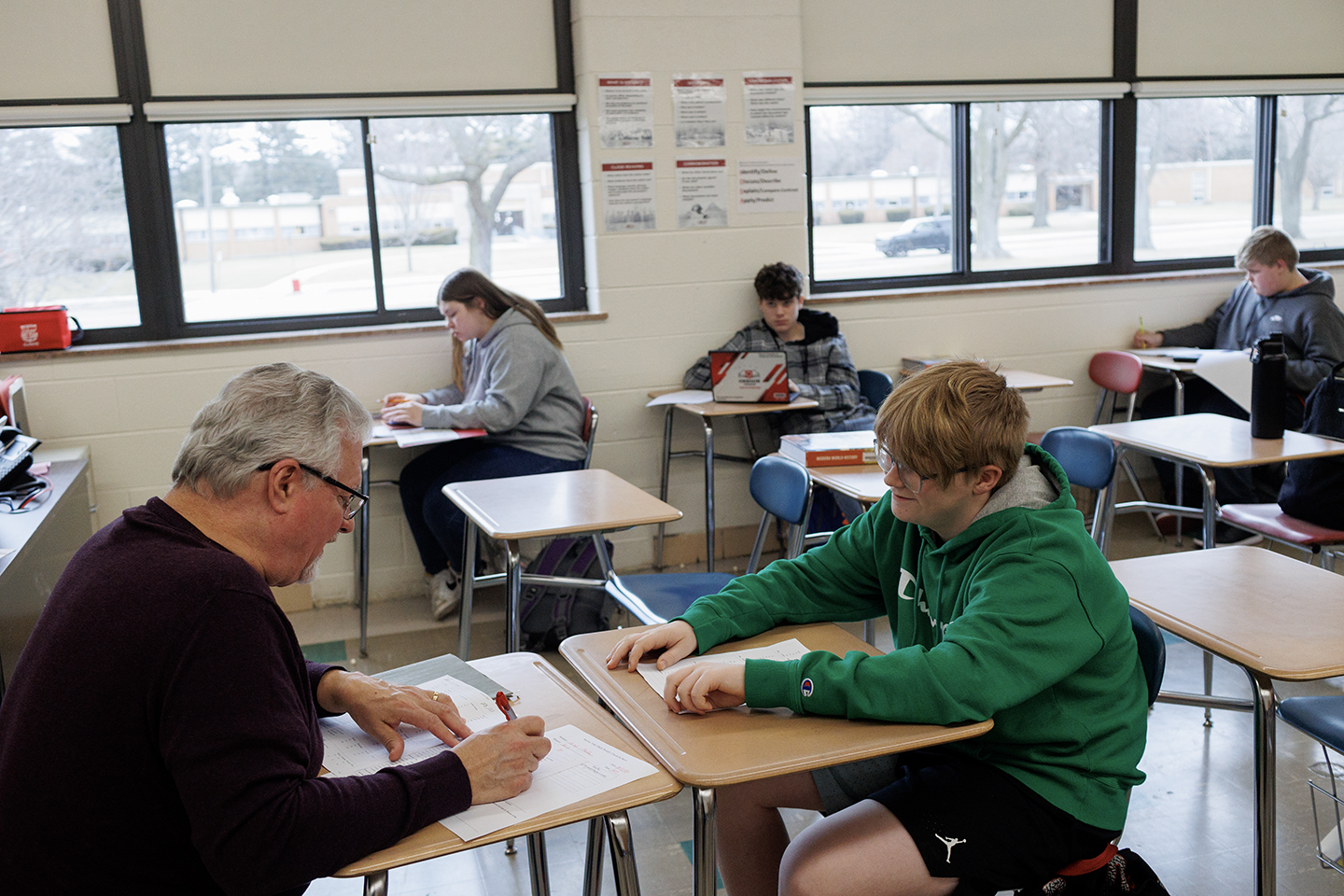
Every student deserves the opportunity to feel supported, develop confidence, and make progress toward their academic and personal goals. However, some students may find it difficult to navigate school expectations, build positive relationships, manage academic challenges, or ask for help when they need it.
A well-designed mentoring initiative can help schools address these needs by connecting students with supportive, trained mentors. Effective student mentoring programs in schools provide structured opportunities for students to discuss goals, strengthen learning habits, develop social skills, and feel more connected to their school community.
A successful mentoring program involves more than pairing two people and expecting a relationship to develop naturally. Schools need clear objectives, thoughtful mentor selection, appropriate training, consistent meetings, safeguarding procedures, and a reliable way to evaluate progress.
This guide explains how schools can design, launch, and improve a student mentoring program that supports students while remaining practical, inclusive, and sustainable.
What Is a Student Mentoring Program?
A student mentoring program is a structured initiative that connects students with a more experienced or appropriately trained person who provides guidance, encouragement, and support over time.
Depending on the school’s goals and available resources, mentors may be teachers, trained school staff, older students, alumni, or approved community volunteers. The most suitable model depends on students’ ages, the purpose of the program, and the school’s safeguarding requirements.
Mentoring is different from tutoring and counselling, although these services can complement one another.
- Mentoring focuses on guidance, goal-setting, confidence, school engagement, and personal development.
- Tutoring provides targeted instruction and practice in particular academic subjects.
- Counselling supports students who need professional help with emotional, behavioural, social, or psychological concerns.
A mentor may encourage a student to improve study habits or seek extra academic help, but a mentor should not be expected to provide specialist support beyond their training.
Why Are Student Mentoring Programs Important in Schools?
A well-planned mentoring program can create additional opportunities for students to receive encouragement, develop useful skills, and build stronger connections with their school.
1. Supports academic development
Students may struggle with time management, organization, study routines, or understanding how to prepare for assessments. A mentor can help students identify specific challenges and create realistic improvement plans.
For example, a student who frequently submits assignments late could work with a mentor to create a weekly schedule, divide large tasks into smaller steps, and review progress during regular meetings.
Mentoring should complement classroom instruction and academic support rather than replace them.
2. Builds confidence and self-advocacy
Some students hesitate to ask questions, seek assistance, or share concerns about school. A trusted mentor can help them practise explaining what they need, identifying their strengths, and taking manageable steps toward their goals.
Over time, students may become more confident about approaching teachers, participating in classroom activities, and seeking appropriate support.
3. Strengthens school belonging
Students are more likely to engage positively with school when they feel noticed, respected, and supported. Regular mentoring meetings can give students a consistent opportunity to discuss their experiences and identify ways to participate in school life.
This can be particularly helpful during transitions, such as moving to a new school, entering middle school, or beginning high school.
4. Encourages positive decision-making
Mentors can help students think through everyday challenges, consider possible consequences, and identify constructive responses.
Rather than making decisions for students, mentors should ask questions that encourage reflection and independence.
For example, a mentor might ask, “What options do you have?” or “What could happen if you choose each option?” This helps students practise decision-making instead of relying entirely on another person’s advice.
5. Develops leadership and communication skills
Peer mentoring programs allow older or more experienced students to practise responsibility, listening, communication, and teamwork. Younger students can benefit from receiving guidance from someone who understands their school environment.
However, student mentors need training, adult supervision, and clear boundaries. They should never be expected to manage serious behaviour, safeguarding concerns, or complex personal problems independently.
Types of Student Mentoring Programs in Schools
Schools can choose from several mentoring models. The right approach depends on student needs, available staff, the age of participants, and the program’s objectives.
One-to-one mentoring
One-to-one mentoring pairs a student with a designated mentor for regular individual meetings.
This model can be useful when a student needs consistent encouragement, help with school routines, or guidance in setting personal and academic goals.
The school should define how often meetings occur, how long the relationship is expected to last, how progress will be recorded, and when concerns should be referred to a qualified staff member.
Peer mentoring
Peer mentoring connects students with older or more experienced students who have received appropriate training.
For example, an older student might help a new student understand school routines, locate resources, join activities, or prepare for a transition to a different grade level.
Peer mentoring can encourage belonging and leadership, but adult staff must remain responsible for oversight and safeguarding.
Group mentoring
In group mentoring, one trained mentor works with a small group of students. Meetings may focus on common needs such as study habits, school transitions, organization, communication, or career exploration.
Group mentoring can make efficient use of staff time and allow students to learn from one another. However, facilitators need clear participation rules and must protect students’ privacy.
Alumni and community mentoring
Approved alumni or community volunteers may offer students guidance about further education, careers, workplace expectations, and personal development.
Schools using external mentors should verify suitability, establish written expectations, provide relevant training, and follow all applicable safeguarding and screening requirements.
Transition mentoring
Transition mentoring supports students as they move between educational stages or enter an unfamiliar school environment.
A transition program might help students understand schedules, meet key staff, locate important facilities, develop study routines, and learn how to ask for help.
10 Steps to Create a Strong Student Mentoring Program
A sustainable mentoring program begins with clear goals and a realistic plan. The following steps can help school leaders build a structure that serves students consistently.
1. Identify the School’s Needs
Before selecting mentors or recruiting participants, determine what the school wants the program to achieve.
Possible objectives include:
- Helping new students adjust to school.
- Supporting students in developing study habits.
- Encouraging school attendance and participation.
- Strengthening students’ confidence and self-advocacy.
- Developing leadership skills through peer mentoring.
- Helping students explore educational and career pathways.
- Providing positive relationships during important school transitions.
School leaders can gather information through staff discussions, student feedback, family input, and a review of existing support services.
Avoid assuming that every student has the same needs. A student who needs help organizing assignments may benefit from a different mentoring approach than someone who wants to explore future career options.
Practical tip: Choose two or three priority objectives for the first year. A focused program is easier to organize and evaluate than one attempting to address every student concern at once.
2. Define Clear Program Goals
Once the school identifies its needs, convert them into specific objectives.
Instead of stating that the program will “help students succeed,” define the behaviours or outcomes the school hopes to support.
For example:
- Students will develop and review an individual academic goal.
- New students will learn how to access school resources.
- Peer mentors will practise active listening and appropriate referral procedures.
- Participants will identify at least one strategy for managing schoolwork more effectively.
Goals should be realistic and suitable for the students involved.
Schools should also distinguish between outcomes mentors can influence and outcomes affected by many other factors. Mentoring may support engagement and confidence, but it cannot guarantee improved grades, perfect attendance, or the resolution of every personal difficulty.
3. Choose the Right Mentoring Model
Select the program structure that best matches the objectives, resources, and student needs.
A small school may begin with a staff-led program for a limited number of students. A larger school might develop separate peer mentoring, transition mentoring, and career mentoring options.
When choosing a model, consider:
- Student age and developmental needs.
- The availability of suitable mentors.
- The amount of adult supervision required.
- Meeting spaces and scheduling.
- Language and accessibility needs.
- The level of training participants will require.
- The school’s safeguarding policies.
Start with a manageable pilot program if the school is introducing mentoring for the first time. A smaller initial group gives staff an opportunity to identify practical problems before expanding the initiative.
4. Recruit and Select Suitable Mentors
The success of a mentoring program depends heavily on the quality and reliability of its mentors.
Potential mentors should demonstrate patience, respect, sound judgment, dependability, and a willingness to listen. They should understand that their role is to support student development rather than control a student’s decisions.
The selection process may include:
- A written application or expression of interest.
- A conversation about motivation and suitability.
- Relevant reference checks and background screening, as required by local law and school policy.
- Agreement to the program’s code of conduct.
- Completion of required training.
- Confirmation that the mentor understands reporting and referral procedures.
For peer mentoring, schools should look beyond academic achievement. A student may be an effective mentor because they are dependable, respectful, approachable, and willing to learn.
Mentors should also be comfortable acknowledging the limits of their knowledge and asking a responsible adult for assistance.
5. Provide Effective Mentor Training
Mentors should not be expected to know how to manage every conversation instinctively. Training helps them understand their responsibilities and respond appropriately to common situations.
A practical training program should cover the following areas.
Active listening: Mentors learn to give students time to speak, ask open-ended questions, and check whether they have understood the student’s concern.
Goal-setting: Mentors practise helping students establish manageable goals, identify actions, and review progress.
Communication: Training should address respectful language, constructive feedback, cultural sensitivity, and age-appropriate communication.
Boundaries: Mentors need to understand the difference between providing guidance and acting as a parent, therapist, investigator, or disciplinary officer.
Confidentiality and safeguarding: Mentors should understand that information cannot always remain private. Concerns involving harm, abuse, threats, or student safety must be shared with the appropriate designated staff member according to school policy and applicable law.
Referral procedures: Mentors need to know whom to contact when a student requires academic intervention, counselling, medical assistance, or other specialized support.
Training should include scenarios, guided practice, and opportunities to ask questions. A single introductory presentation may not be enough, so schools should provide ongoing support and refresher sessions.
6. Match Mentors and Students Thoughtfully
Mentor matching should consider more than availability.
Useful factors include:
- The student’s goals and preferences.
- The mentor’s experience and interests.
- Language and communication needs.
- The type of support the program provides.
- Scheduling compatibility.
- Potential conflicts of interest.
- Any accessibility considerations.
Whenever possible, explain the purpose of the match to both participants and give them an opportunity to raise concerns.
A good match does not require two people to have identical backgrounds or interests. It requires a safe, respectful, and workable relationship in which the student can benefit from guidance.
Schools should establish a process for reviewing matches and arranging a change when a relationship is not working. Students should never be forced to remain in an unsuitable mentoring arrangement.
7. Establish a Consistent Meeting Schedule
Mentoring relationships need regular opportunities for communication. Infrequent or unpredictable meetings can make it difficult to build trust and monitor progress.
The school should define:
- How frequently meetings occur.
- The expected meeting length.
- Where meetings take place.
- How attendance is recorded.
- What happens if a meeting is missed.
- How mentors prepare for sessions.
- How progress and concerns are documented.
For example, a school might begin with a weekly or fortnightly meeting of approximately 20–30 minutes, depending on the program’s purpose and students’ schedules.
Meetings should take place in approved settings and follow school safeguarding rules. Schools should establish clear expectations for digital communication and should not permit inappropriate private contact between mentors and students.
8. Use a Simple Structure for Each Meeting
Mentoring meetings are more productive when participants know what to expect.
A simple meeting structure can include four stages.
Check-in: Ask the student how things have been going since the previous meeting.
Review: Discuss progress on the previous goal or action.
Focus: Explore one priority, such as study planning, adjusting to school, or making a decision.
Next step: Agree on one or two manageable actions before the next meeting.
For example, a student who struggles to organize assignments might review upcoming deadlines, identify the most urgent task, create a weekly plan, and agree to check the plan at the next meeting.
The mentor should encourage the student to do most of the thinking and decision-making. Mentoring is more valuable when students gradually learn to manage their own goals.
9. Monitor Progress and Provide Support
A mentoring program should include a clear process for checking whether meetings are taking place and whether the program remains appropriate for participants.
Coordinators can monitor:
- Whether meetings occur as scheduled.
- Whether students participate voluntarily and comfortably.
- Whether agreed goals are reviewed.
- Whether mentors follow program boundaries.
- Whether referrals are made when necessary.
- Whether students and mentors need additional support.
Monitoring should be proportionate to the program and should respect students’ privacy.
Schools should not ask mentors to create detailed records of every personal conversation. Instead, use approved documentation procedures that capture attendance, agreed actions, progress toward program objectives, and any concerns that must be escalated.
A designated coordinator should be available to support mentors, review issues, and arrange additional training when needed.
10. Evaluate and Improve the Program
At the end of the pilot period or school term, review what worked and what needs improvement.
Gather feedback from students, mentors, coordinators, and families where appropriate. Use a combination of participation records, short surveys, structured feedback, and progress toward the program’s objectives.
Questions may include:
- Did students attend the planned meetings?
- Did participants understand the mentor’s role?
- Did students feel respected and supported?
- Were the activities useful for the program’s stated goals?
- Did mentors receive enough training?
- Were meetings practical to schedule?
- What should change before the next term?
Avoid attributing every change in student performance to mentoring. Students’ progress may also be influenced by teaching quality, family circumstances, access to resources, health, and other support services.
Use the findings to improve the program gradually rather than expanding it before the school has enough evidence and resources.
How to Create Meaningful Mentoring Activities
Mentoring sessions should include activities that help students practise skills and make progress toward their goals. Conversations are important, but students may benefit from a concrete task or reflection exercise during each meeting.
Goal-setting worksheet
Ask students to identify one academic or personal development goal, explain why it matters, and list the steps needed to make progress.
The mentor can help the student make the goal specific and realistic.
For example:
- Goal: Improve assignment organization.
- Action: Record every assignment in a planner.
- Routine: Review the planner at the end of each school day.
- Progress check: Discuss which strategies worked during the next meeting.
Strengths and interests activity
Invite students to identify activities they enjoy, skills they have developed, subjects that interest them, and areas in which they would like to improve.
The mentor can help the student connect these strengths and interests to school activities, learning opportunities, leadership roles, or future educational pathways.
The purpose is to support exploration, not to place students into fixed categories.
Weekly planning activity
Help students review upcoming assignments, tests, extracurricular commitments, and personal responsibilities.
Together, they can identify priorities and divide large tasks into manageable steps.
Encourage students to choose their own plan and revise it when circumstances change.
Problem-solving discussion
Present a realistic, age-appropriate scenario involving a school challenge. Ask the student to identify the problem, suggest possible responses, compare the options, and select a practical next step.
The mentor should avoid immediately supplying the answer. Guided questions help students develop independent reasoning.
Reflection and progress review
At the end of a mentoring session, ask the student to summarize what they learned, what they plan to do next, and whether they need additional support.
This short reflection helps turn a conversation into an actionable plan.
Safeguarding and Boundaries in Student Mentoring Programs
Student safety must be central to every mentoring program. Schools should establish safeguarding procedures before recruiting mentors or beginning meetings.
Define confidentiality clearly
Students should understand that mentors will respect their privacy but cannot promise absolute confidentiality. If a student shares information suggesting that they or someone else may be at risk of harm, the mentor must follow the school’s reporting procedures.
Explain these limits in language students can understand.
Set appropriate communication boundaries
Schools should define acceptable communication channels, meeting locations, and contact times. Mentors should not use personal communication arrangements that violate school policy or create unsupervised, inappropriate access to students.
Establish clear reporting procedures
Mentors must know how to report concerns about abuse, bullying, threats, self-harm, violence, or other serious safety issues. They should not attempt to investigate such matters independently or promise to keep them secret.
The school should identify the designated staff member responsible for receiving concerns and explain how urgent risks are handled.
Protect students’ dignity and choice
Students should know what the program involves, how information will be used, and whom they can contact if they feel uncomfortable.
Schools should provide a clear process for raising concerns, changing a mentor match, or leaving the program where appropriate.
Train mentors to recognize their limits
Mentors are not substitutes for trained counsellors, mental health professionals, teachers, or safeguarding personnel. Their role is to offer appropriate guidance and connect students with additional support when necessary.
Common Challenges in Student Mentoring Programs
Even well-planned programs may face practical difficulties. Identifying these challenges early can help schools develop realistic solutions.
Inconsistent attendance
Mentors and students may miss meetings because of competing schedules, exams, or other responsibilities.
Solution: Schedule meetings in advance, use approved reminders, and establish a clear process for rescheduling missed sessions.
Unclear expectations
Participants may not understand what mentoring should accomplish or how much responsibility each person has.
Solution: Provide a written program guide explaining the purpose, meeting schedule, boundaries, and responsibilities of mentors, students, and coordinators.
Poor mentor-student matches
A student may feel uncomfortable with a mentor or discover that the relationship does not meet their needs.
Solution: Check in with both participants and provide a respectful process for adjusting or ending the match.
Limited staff capacity
Coordinating meetings, supporting mentors, and reviewing concerns requires time and organization.
Solution: Begin with a manageable pilot, appoint a coordinator, and provide realistic time for training, supervision, and evaluation.
Students expecting mentors to solve every problem
Some students may expect a mentor to make decisions for them or resolve issues beyond the program’s scope.
Solution: Explain that mentoring focuses on guidance, skill development, and appropriate referrals. Encourage students to take an active role in identifying and completing their next steps.
Difficulty measuring success
Some benefits of mentoring, such as confidence or belonging, may be difficult to capture with a single measure.
Solution: Use several sources of information, including participation records, student feedback, goal reviews, and relevant school indicators. Interpret findings carefully and avoid making claims that the evidence does not support.
How Schools Can Measure the Success of a Mentoring Program
Evaluation helps schools determine whether a program is operating as intended and where improvements may be needed.
Participation and implementation measures
These measures show whether the program is being delivered consistently.
Examples include:
- Number of students enrolled.
- Number of trained mentors.
- Percentage of planned meetings completed.
- Participation and retention rates.
- Completion of required training.
- Frequency of mentor-coordinator check-ins.
Student experience measures
Feedback can help schools understand whether students find the program useful and accessible.
Schools might ask students whether they feel listened to, understand the purpose of mentoring, know how to seek additional help, and feel comfortable raising concerns.
Surveys should be age-appropriate, accessible, and designed to protect student privacy.
Progress toward program goals
The school should assess outcomes that match the original purpose of the initiative.
If the program focuses on school transitions, relevant measures may include students’ understanding of school routines and their awareness of support services. If the program focuses on study organization, schools may review whether students are using planning strategies and meeting their own organizational goals.
Academic grades or attendance can be considered when relevant, but they should not be treated as proof that mentoring alone caused a change.
Continuous improvement
Use evaluation findings to adjust training, scheduling, matching procedures, and mentoring activities.
A strong program learns from participant feedback and practical experience rather than treating the initial design as permanent.
Frequently Asked Questions
1. What is the purpose of student mentoring programs in schools?
Student mentoring programs provide structured guidance and encouragement to help students develop academic habits, confidence, communication skills, independence, and a stronger connection with school. The exact purpose depends on the program’s objectives and student needs.
2. Who can become a student mentor?
Mentors may include trained school staff, older students, approved alumni, or screened community volunteers. The school should select mentors based on suitability, reliability, relevant skills, and willingness to follow training and safeguarding requirements.
3. How often should mentoring meetings take place?
The schedule depends on the program’s purpose, student age, and available resources. Weekly or fortnightly meetings may be practical starting points for some programs, but schools should choose a frequency that can be maintained consistently.
4. What activities should mentors use with students?
Mentoring activities may include goal-setting worksheets, weekly planning, strengths exploration, study organization, problem-solving discussions, and progress reviews. Activities should match the student’s goals rather than follow the same format in every meeting.
5. How can schools make peer mentoring successful?
Schools should recruit suitable student mentors, provide training, explain boundaries, assign an adult coordinator, and schedule regular check-ins. Peer mentors should help students navigate school and develop skills, not act as counsellors or handle serious incidents independently.
6. How can schools protect students in mentoring programs?
Schools should use appropriate screening, safeguarding training, approved meeting locations, clear communication rules, documented reporting procedures, and adult oversight. Students should know how to report concerns and understand that confidentiality has limits when safety is involved.
7. How can schools evaluate a mentoring program?
Schools can review participation, meeting consistency, student and mentor feedback, progress toward stated goals, and relevant indicators connected to the program’s purpose. Evaluation should help improve the program and should not overstate the impact of mentoring alone.
8. Should every student participate in a mentoring program?
Not necessarily. Schools may offer mentoring to students who request it, students experiencing a transition, or groups who could benefit from a particular form of support. Participation procedures should be fair, inclusive, and consistent with the school’s objectives and policies.
Conclusion
Strong student mentoring programs in schools are built on clear goals, suitable mentors, effective training, consistent meetings, appropriate safeguarding, and ongoing evaluation. When these elements work together, mentoring can give students meaningful opportunities to discuss challenges, strengthen learning habits, build confidence, and plan their next steps.
Schools do not need to launch a large program immediately. Starting with a focused pilot, listening to student feedback, supporting mentors, and improving the model over time can create a stronger foundation for long-term success.
Most importantly, mentoring should complement teaching, counselling, family engagement, and other school support services. It should help students become more confident and independent while ensuring that serious concerns are referred to the right professionals.
A well-organized mentoring program can become a valuable part of a school’s commitment to student development, belonging, and lifelong learning.
Additional Implementation Checklist
Before launching a student mentoring program, school leaders should confirm that they have:
- Defined the program’s objectives and intended participants.
- Selected an appropriate mentoring model.
- Recruited and screened suitable mentors.
- Completed required mentor training.
- Established written safeguarding and reporting procedures.
- Created a practical meeting schedule.
- Prepared suitable activities and goal-setting tools.
- Appointed a program coordinator.
- Defined how progress and participant feedback will be reviewed.
- Planned how the program will be improved after the initial pilot.
